Flight coaching / Toronto + GTA
Your First Drone Lesson in Toronto: What to Bring and What to Practise
Your first drone lesson should start with your experience, equipment and one useful goal—not a promise to master every skill in one session. In Toronto, private coaching can help you build a pre-flight routine, understand the controls and practise deliberately. The location and operating conditions must be reviewed before outdoor flying is confirmed.
Start with the question you want to solve
You do not need a polished flying brief to ask about coaching. Tell Tim whether you have never flown, recently bought a drone or can already fly but struggle with a particular movement. A clear starting point helps keep the lesson relevant instead of repeating what you already know.
For a complete beginner, a useful first goal may be understanding the controller and building a calm setup routine. A developing pilot may want smoother starts, stops or coordinated turns. An experienced pilot may need feedback on a shot plan rather than another basic introduction.
Tim's private drone flight coaching in Toronto offers beginner, cinematic, FPV and advanced learning paths. The path describes a focus, not a guarantee of a particular skill level by a fixed date.
Confirm equipment before buying anything
Share the exact aircraft and controller model, whether the equipment is yours and any accessories you already use. If you do not own a drone, say so when inquiring. Equipment availability, compatibility and what is supplied must be agreed before booking; a coaching inquiry does not automatically mean a loan aircraft is included.
If you already own the equipment, ask what to bring and prepare. Useful items to discuss include charged batteries, the correct charging leads, a compatible device where needed and access to the aircraft's ordinary settings. Do not share account passwords with an instructor in a message or form.
For simulator practice, confirm the software, controller and computer arrangement too. A controller suitable for one drone is not automatically suitable for a manual FPV simulator. Avoid buying equipment solely for a lesson before compatibility has been checked.
Simulator practice and field flying solve different problems
A PC simulator such as Liftoff lets you repeat manual FPV control exercises without crashing a real aircraft. It can be useful for learning how inputs combine before adding the distractions and consequences of outdoor flying. Simulator practice is not proof that a pilot is ready for every real-world route.
Field practice adds the real aircraft, surroundings and operating decisions. The sequence and difficulty should reflect the learner, equipment and conditions—not an obligation to complete a spectacular manoeuvre. Tim can discuss a simulator-to-field progression as part of the coaching plan.
Neither a simulator session nor practical coaching automatically grants permission to fly outdoors. Review the Transport Canada pilot certificate requirements for your intended operation. Tim's coaching is not an official exam or flight review and does not issue a Transport Canada pilot certificate.
What focused beginner practice can cover
Agree a small set of exercises rather than trying to fit every skill into the first session. The initial emphasis is a routine you can understand and repeat. Depending on your starting point and the agreed operating plan, topics can include:
- Equipment checks, controller orientation and a deliberate pre-flight sequence.
- Controlled take-off, hovering, gentle movement and landing in suitable conditions.
- Recognising when to stop, reset an exercise or ask for clarification.
- Simple framing and camera movement once the basic control task is manageable.
Leave with a useful next practice goal
A helpful debrief identifies what felt repeatable, what needs more practice and which exercise comes next. It is more concrete than being told you are now an advanced pilot. If you want several sessions, discuss a structured Personal Coaching Plan with review points instead of treating session count as a guarantee of mastery.
Experienced pilots can discuss advanced mentoring and collaboration interests with Tim. Any project role needs its own agreement; paying for a lesson does not secure employment or a place on a commercial shoot.
For your inquiry, send your experience level, preferred area, equipment and learning focus through the coaching form. Session length, location, supplied equipment and price are confirmed in the quote. This keeps the first step straightforward without implying that a website form reserves a flying slot.
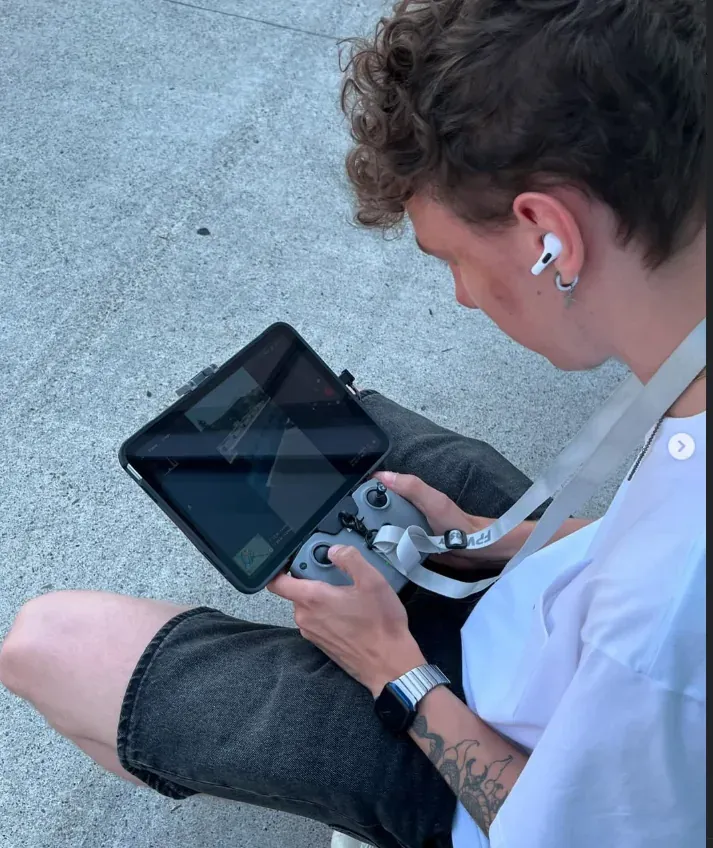
Tim is the pilot behind Tim On The Wing, serving Toronto and the GTA. Contact him directly to discuss your flying goals or next shoot.