FPV planning / Toronto + GTA
FPV Fly-Throughs for Toronto Businesses: What to Expect
An FPV fly-through uses a drone pilot’s first-person camera view to move the viewer through a space. For a Toronto business, that can connect the entrance, atmosphere and key details in one flowing route. It is different from a conventional aerial overview, and it needs a site-specific plan before a route or price is confirmed.
FPV versus conventional aerial video
Conventional aerial footage is useful for showing where a place sits: its building, surroundings, frontage and relationship to the neighbourhood. FPV puts more emphasis on the journey through or around that place. The two approaches can complement each other, but they are not interchangeable.
A restaurant might want a smooth arrival that leads into the dining space. A gym might need a route showing how its training zones connect. A venue might want potential visitors to understand the layout before booking. Start with what the viewer should learn or feel, rather than asking for the fastest possible flight.
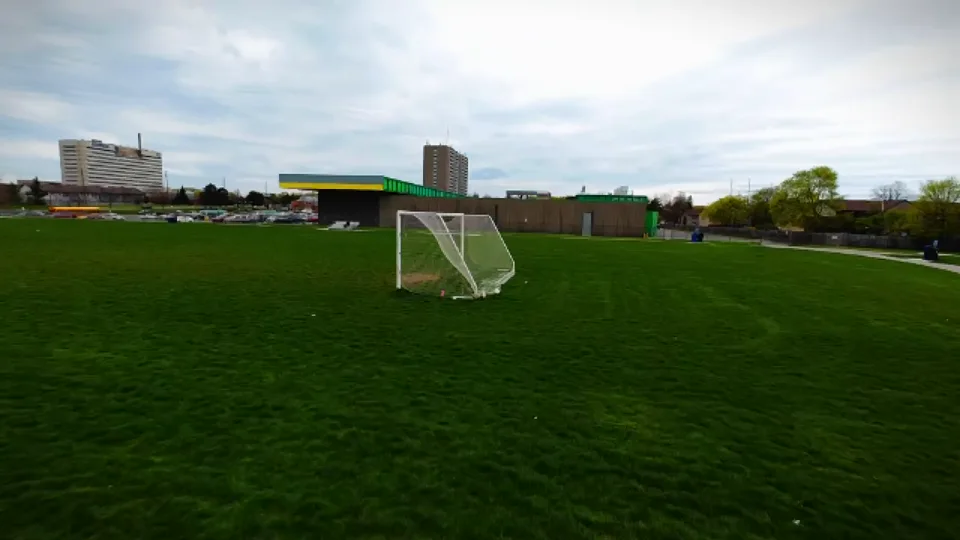
The image above is from an outdoor practice flight. It illustrates FPV movement, not a completed indoor client project. Tim’s FPV service page keeps that distinction visible; conventional aerial releases should not be treated as proof of an indoor fly-through.
Build a route around the business story
The strongest route has a clear beginning, a useful middle and somewhere deliberate to finish. Choose the first impression, the main feature and the action you want a viewer to take afterwards. A beautiful but confusing journey past every room can do less for a business than a shorter route with one purpose.
Share photos, a floor plan if available, approximate doorway widths, changes in level and any spaces that must not appear. Flag glass, mirrors, hanging displays, moving doors, cables and customer areas. These details help Tim assess a practical path rather than design one from an incomplete description.
An indoor-to-outdoor transition is a request to assess, not an automatic inclusion for every site. Agree the route and operating conditions before promising a particular shot to a client or marketing team.
People, access and operating conditions
Arrange property access with the person who can approve it. Plan who will be present, who can coordinate staff and whether a filming window before opening or after closing is possible. Avoid bringing customers into an unplanned flight route just to make a scene look busy.
A suitable indoor setup still needs a controlled route, suitable clearances and careful operation. Aircraft choice and whether a proposed movement is suitable remain site-specific. Do not assume a compact drone makes a busy interior suitable for filming without preparation.
For outdoor portions, the applicable operating requirements depend on the aircraft, certificate and location. Transport Canada’s where-to-fly guidance is the primary reference. Do not treat a pilot certificate or a point selected on a service map as blanket permission for every flight. Weather, airspace, bystanders, access and any required authorization still need review.
What to prepare before filming
Have the agreed areas ready before the filming window begins. Remove loose items from the route, resolve any restricted areas and make sure the staff contact is available. Tell Tim about last-minute changes: a display moved into a doorway can affect a route planned from earlier photographs.
Rehearsal lets the team assess the intended movement and coordinate the surroundings. An agreed shot should still be adapted or dropped if conditions make it unsuitable. A fly-through is a production plan, not a promise that every ambitious move will be attempted.
- Confirm the entrance, route and finishing point.
- Arrange access, lighting and staff coordination.
- Identify people or information that must not be filmed.
- Prepare brand assets, reference links and required formats in advance.
Choose the files before the shoot
Tell Tim whether the main destination is a website, a horizontal film, a vertical reel or an agency edit. A wide master and a 9:16 social version need different framing decisions. Agree whether you need a finished edit, raw footage or both, and clarify usage before booking.
The current Commercial FPV / Custom offer includes a 4K master cut with colour grading, sound design and VFX speed ramps; delivery timing, raw footage availability and usage are set in the quote. The published fly-through scope is up to three hours, with larger productions quoted separately. See the pricing guide for the current package context.
For your inquiry, send the business address, a short route idea, your preferred filming window and where the video will be used. Tim can then discuss a route and quote based on the actual space rather than a generic fly-through example.
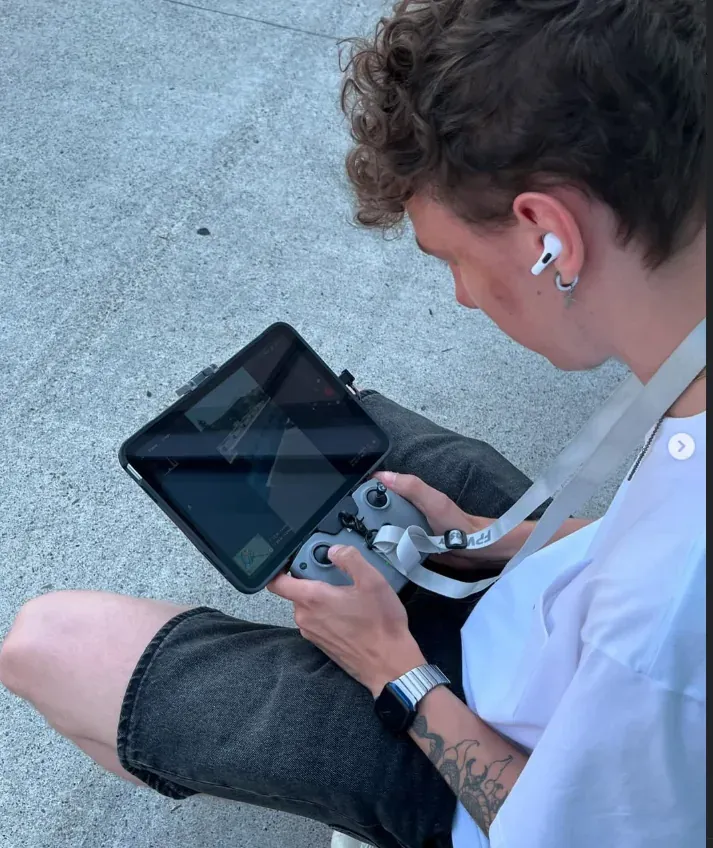
Tim is the pilot behind Tim On The Wing, serving Toronto and the GTA. Contact him directly to discuss your flying goals or next shoot.