Flight coaching / Toronto + GTA
Smoother Drone Video: A Focused Cinematic Movement Practice Plan
Being able to control a drone and making a shot feel deliberate are different goals. If your footage is usable but inconsistent, the next step may be focused camera-movement practice rather than new equipment. This guide gives you a clear way to discuss cinematic coaching with Tim in Toronto and the GTA.
Start with one shot, not a whole showreel
Describe a single movement you want to improve: a gentle reveal, a straight travel shot, or a start and stop that feels less abrupt. Choose an exercise that can be reviewed without a complicated sequence of changing subjects and inputs.
Agree the movement and suitable operating environment before flying. The exercise should fit the aircraft, your experience and the location. A practice goal is not a reason to ignore site restrictions or move closer to people or property.
Decide what the viewer should notice
Before concentrating on the controls, say what the shot is meant to show. Is the subject a building, a landscape detail or the relationship between a place and its surroundings? A clear intention makes it easier to decide whether movement is helping.
For review, compare the opening and ending composition. Ask whether the subject remains understandable, whether the horizon distracts you and whether the movement reveals something useful. This creates a more concrete coaching question than asking for a shot to look ‘more cinematic.’
Give starts and stops their own practice
A movement may feel smooth in the middle but abrupt at either end. Review those moments separately. Focus on a deliberate start, a consistent middle and a controlled finish, rather than adding a second movement to disguise the transition.
During suitable guided practice, repeat one agreed exercise and look for the same issue across attempts. The aim is to understand what changed and why—not to chase a perfect take by making an unsuitable flight more demanding.
Review before adding another input
Use the footage to identify one useful adjustment. If a shot wobbles, do not assume the answer is always different equipment or heavier stabilisation. Framing, movement, the operating conditions and the chosen exercise all deserve consideration.
For a coaching inquiry, describe the problem in your own words. Tim can discuss the appropriate format for review and practice. Do not share unreleased client material unless you have permission, and do not put private account access details in the form.
- What was the shot meant to communicate?
- Which part feels inconsistent: opening, middle or finish?
- Can you repeat the exercise under the agreed conditions?
- What single change should the next attempt test?
Choose camera coaching rather than repeating the basics
If you are comfortable with basic flight but want more intentional footage, explain that starting point. The established Camera Confidence option is 90 minutes; Tim confirms whether that or a custom plan suits your goals. Price, equipment and location are agreed in your quote.
Explore the private flight coaching options, or inquire about cinematic camera movement. If you want a finished production rather than a lesson, use the separate business drone video service. Coaching and commissioned filming are different offers.
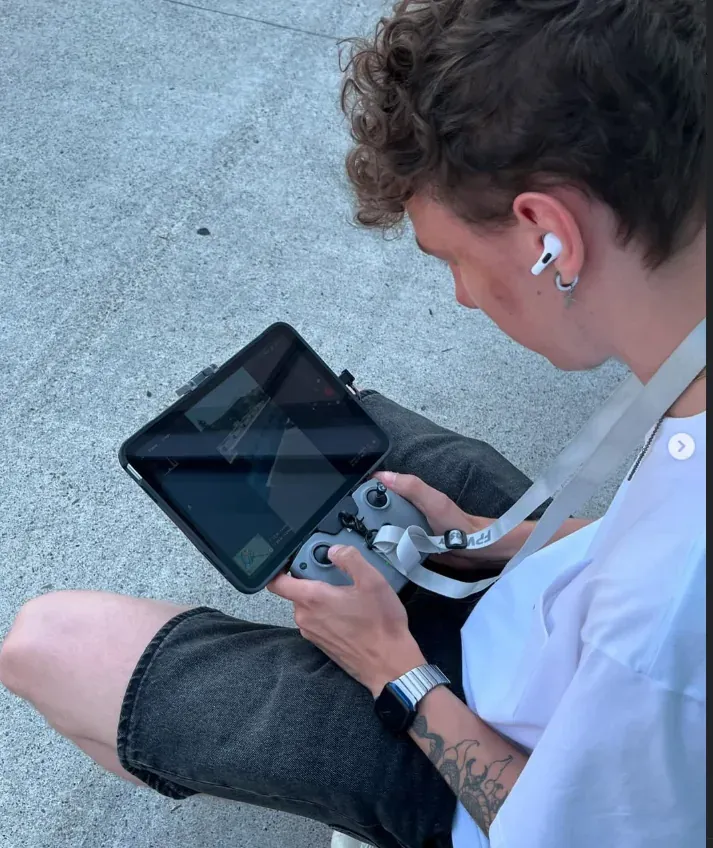
Tim is the pilot behind Tim On The Wing, serving Toronto and the GTA. Contact him directly to discuss your flying goals or next shoot.