Property media / Toronto + GTA
Aerial Photos or a Property Video: What Does Your Toronto Listing Need?
Choose aerial photos when the listing needs clear, easy-to-scan views of a property and its setting. Choose video when movement helps explain the arrival, layout or surroundings. Choose both when each has a defined use. The right choice depends on the property, your publishing channels and the information a buyer needs—not a promise that one format will sell it faster.
When still photographs do the job
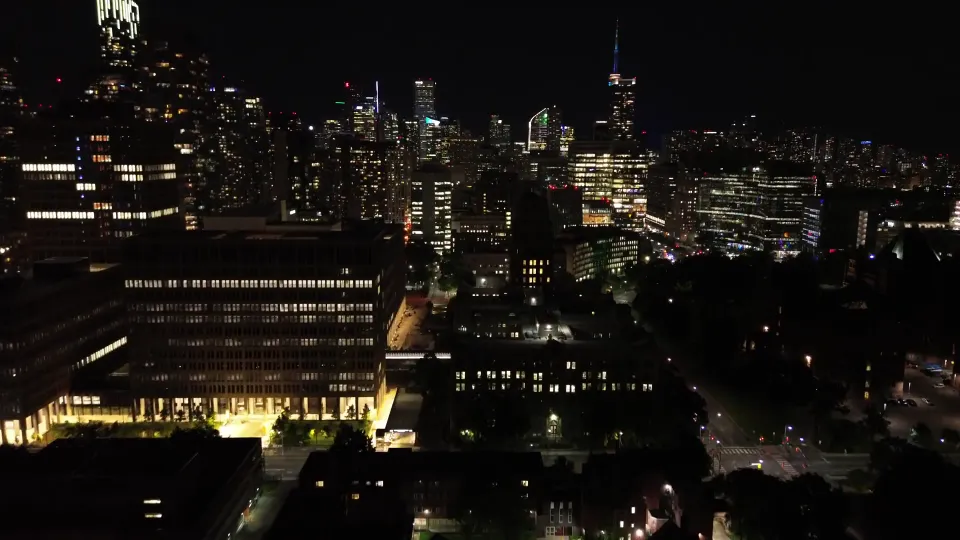
Aerial photographs let someone study a view at their own pace. They can help explain frontage, the relationship between structures and outdoor space, and the property's position in its surroundings. A small set of deliberate angles is more useful than many near-identical frames.
For a Toronto listing, tell Tim what ground-level photos do not explain. It might be the way a site sits on a street, an outdoor amenity or the relationship to a nearby landscape feature. Keep the brief about visible, accurate information rather than asking an image to imply proximity or access that has not been established.
Aerial imagery is not a boundary survey. If lot lines, dimensions or development claims are needed, supply verified information and agree how it should be presented. Do not use a camera angle as evidence of a legal property boundary.
When movement adds useful context
Video can reveal a property gradually: an arrival, a change in viewpoint or a transition from the building to its setting. It is useful when that movement helps a viewer understand the place. A long montage is not automatically better than a shorter sequence with one clear purpose.
Decide where the finished piece will appear before filming. A horizontal listing film and a vertical social reel have different framing needs. If a brokerage or listing platform has export requirements, send them with the brief instead of assuming any file will be accepted.
Drone coverage complements the rest of the listing media. An exterior aerial film is not an interior walkthrough, floor plan or virtual tour. If you want an indoor FPV route, describe it explicitly so it can be assessed and scoped separately rather than assumed from the words “property video”.
Choose deliverables around the channels
Start with the places the files will be used, then work backwards to the shots. Separate your agent's immediate listing needs from content intended for social promotion or a brokerage website.
- For a still-led listing: identify the useful aerial angles and the platform's image requirements.
- For social: specify vertical or horizontal viewing, duration and any approved wording.
- For an editor: ask whether raw clips are available, and confirm format and usage in the quote.
- For multiple channels: agree which separate versions are included rather than expecting unlimited exports.
Review the location before promising an angle
Send the exact address, preferred timing and access contact. Shared property, neighbouring buildings, people nearby and outdoor conditions can affect what is practical. The fact that another property has an aerial photo does not establish that the same angle is suitable at yours.
For outdoor operations, requirements depend on the aircraft, certificate and location. Transport Canada's where-to-fly guidance explains the framework. The site and operating plan still need review; a requested shot is not flight approval.
Send a brief that makes the choice easier
Tell Tim the address, what makes the property distinctive, what your current photos are missing and where the new content will be published. Include your preferred date and any firm launch deadline. You can request a recommendation without arriving with a complete shot list.
Explore real estate drone photography in Toronto for the established service, or read the current pricing guide to compare package deliverables. Your quote confirms the final scope, timing and usage; neither photos nor video come with a guaranteed sales result.
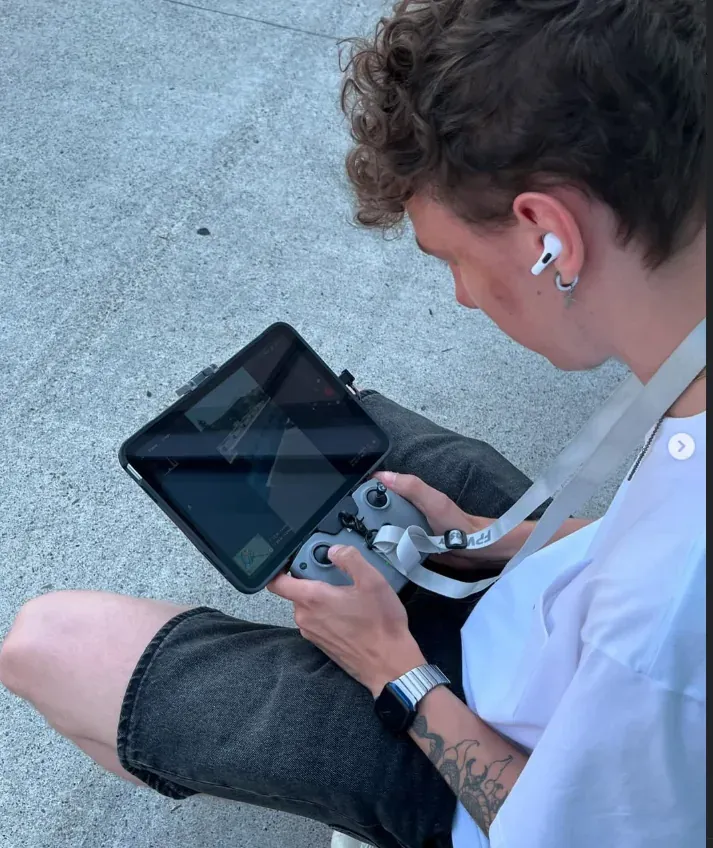
Tim is the pilot behind Tim On The Wing, serving Toronto and the GTA. Contact him directly to discuss your flying goals or next shoot.