Event planning / Toronto + GTA
Planning Drone Coverage for a Toronto Event: What to Decide First
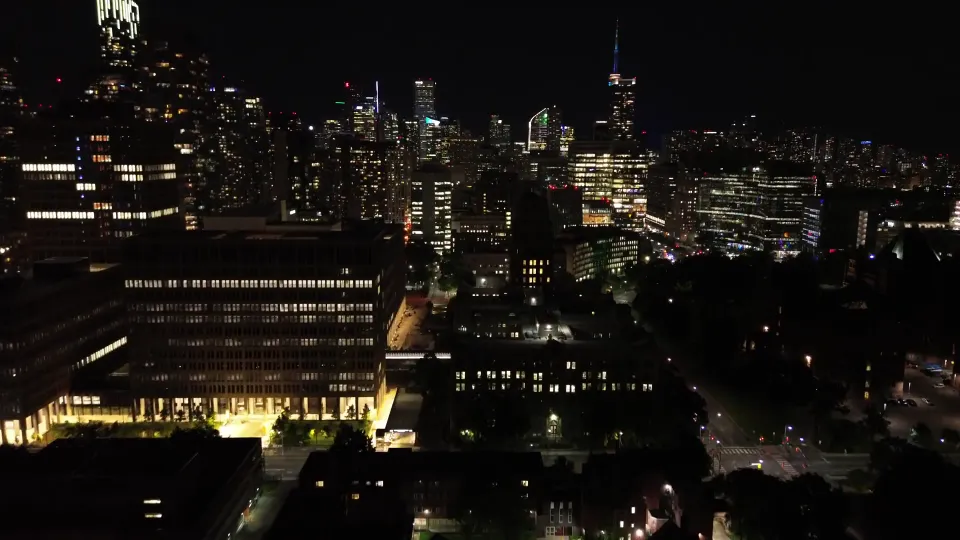
Before booking event drone coverage, decide which moments matter, who coordinates access and how the footage will be used. Share the venue and run of show early. Aerial coverage can establish the setting and support an event recap, but the schedule and operating conditions must be assessed before particular shots are promised.
Give the aerial footage a specific job
An event film can serve attendees, future visitors, sponsors or the organiser's next campaign. Those audiences do not always need the same edit. Name the main audience and the action you want the video to support before building a list of camera moves.
For a launch, a setting reveal may help introduce the venue. For a performance, aerial shots may supply scale and transitions around footage from other cameras. For a recap, a few well-placed views can be more useful than trying to make every moment an aerial shot.
Choose the must-have moments and explain why they matter. Treat other ideas as optional so the main purpose survives if the schedule or conditions change.
Share a usable run of show
Send the venue address, date, access window and sequence of important moments. Include who can provide updates on the day and whether the timetable is fixed or likely to move. Aerial coverage should fit the event rather than interrupt it.
An opening, performance or reveal may happen only once. Let Tim know what cannot be repeated and whether other camera teams need coordination. Agree the coverage window and priorities in advance; being present for part of a day does not imply filming the entire programme.
- Venue and access contact, including the person who can approve site access.
- Schedule of key moments and realistic arrival/setup access.
- Audience areas, public access and activities that may affect the operating plan.
- A single on-site contact for timing changes and production coordination.
Do not treat venue access as flight approval
Property permission is one part of planning, not a substitute for reviewing the flight. Share expected audience arrangements, nearby activity and any venue restrictions. Do not promise overhead audience shots in a sponsor brief before the operation has been assessed.
Transport Canada's where-to-fly guidance covers location-dependent restrictions, including considerations for advertised events. Tim must assess the actual location, aircraft, bystanders, airspace, conditions and authorization requirements. A certificate alone does not approve every event flight.
Discuss what happens if conditions do not support the requested aerial shot. Alternative coverage or rescheduling depends on the agreed production scope and booking terms, not an assumption that any substitute service is automatically included.
Know who is supplying each part of the film
If an agency, director or other camera team is involved, identify who handles the final edit, audio, graphics and delivery. Tell Tim whether you need drone footage for another editor or a finished piece within an agreed scope. Those are different handoffs.
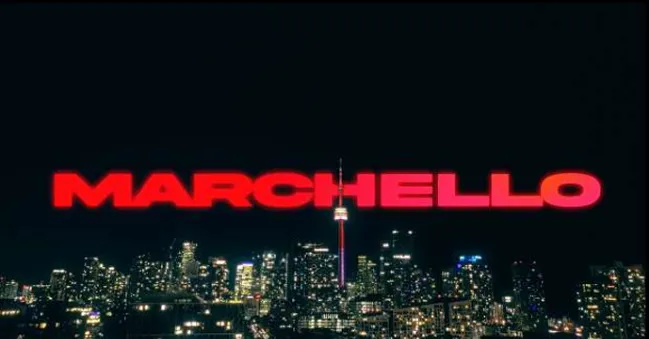
The Marchello Toronto Set is a real collaborative example: Tim supplied aerial coverage for the released DJ-set film. That credit should not be read as a claim that he produced every part of the release. Use references to explain the kind of coverage you want while keeping responsibilities precise.
Agree the recap and handoff before filming
Specify the main destination—website, YouTube, vertical social content or a sponsor update—and any additional versions you need. Clarify duration, aspect ratio, approved logos, naming and usage requirements. Raw footage availability, delivery timing and editing responsibilities belong in the quote.
Raise a fixed campaign deadline early. Do not assume same-day delivery or unlimited revisions simply because the event itself is time-sensitive. Provide brand assets and approvals needed for editing within the schedule you agree.
Explore event drone videography in Toronto and send the address, date, run of show and intended deliverables through the inquiry form. Tim can review the coverage with you before a route, filming window or price is confirmed.
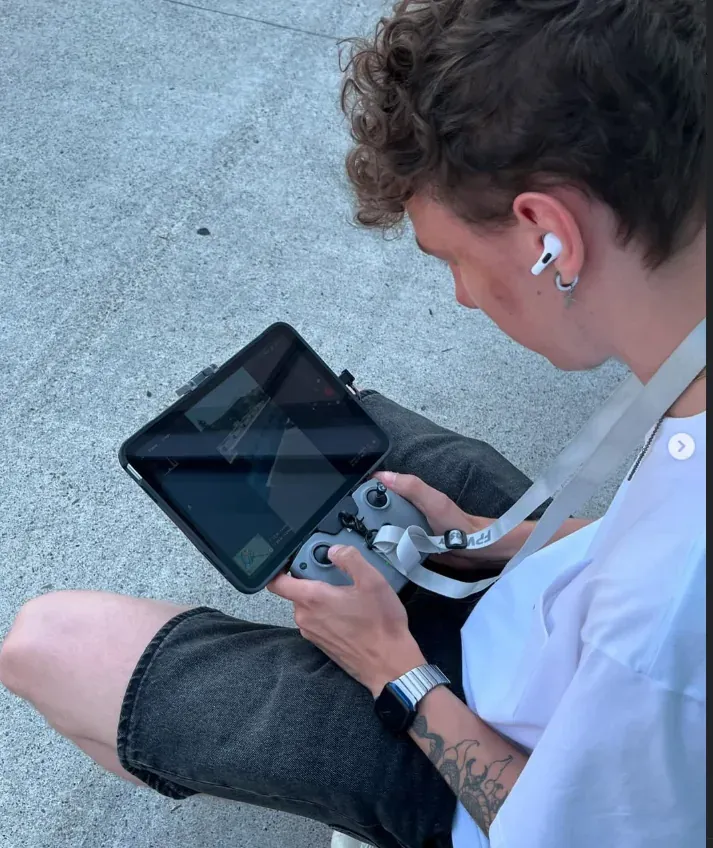
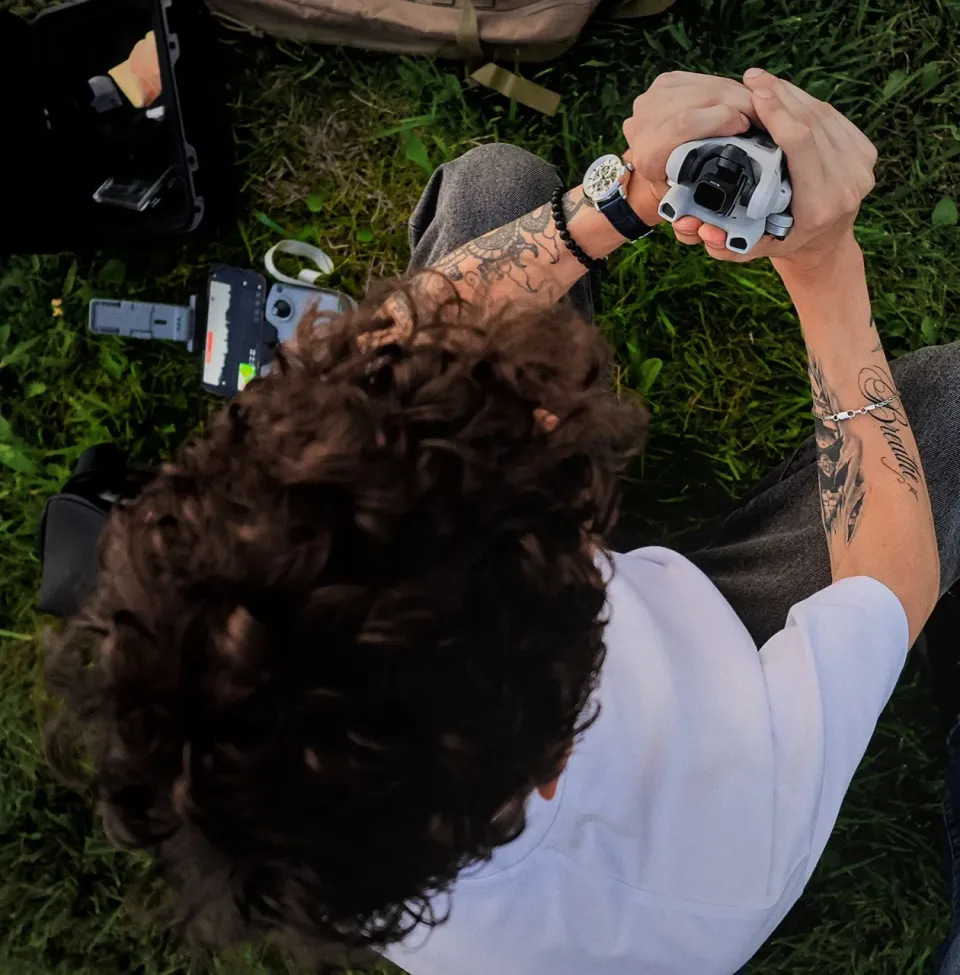
Tim is the pilot behind Tim On The Wing, serving Toronto and the GTA. Contact him directly to discuss your flying goals or next shoot.